Herbal Medicine Beginners Course
Content
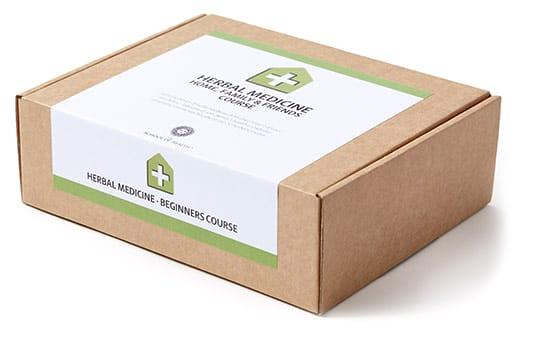
The Herbal Medicine Beginners Course comprises of:
• Study of herbal medicine philosophy and methods
• The influence of herbal medicine on health
• 20 herbal remedy monographs
• Herbal support for common conditions
• 5 case studies
• Self-assessment questions and cases
• Tutor assessment and certificate
• Memory stick containing lectures on herbal medicine
• Book of herbal medicine
• Herbal medicine products (Nettle Tea and Dandelion Coffee)
• Voucher for additional herbal medicine study
The Course Guide
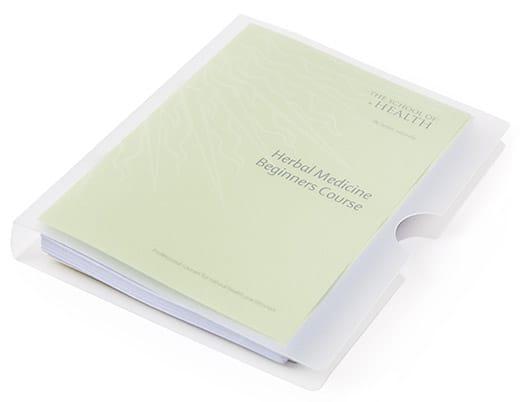
The herbal medicine beginner’s course is divided into 5 parts:
- Tending the Land and Self
- Medicine Making
- From Babies to Elders
- Case Studies
- 20 Monographs (Plant Stories) of commonly used herbs
See below for the full course contents. Each part builds on the next as your knowledge grows. Self-assessment questions are asked throughout the course. These are designed to help you gauge your understanding of the course material. Even if you don’t know the answers, having a go at them will boost your confidence and help you see what you’ve learned.
Answers
This section holds all the answers to the self-assessment questions and cases. They should not be looked at until you have attempted the questions yourself first.
Assignments
Once you have worked through the course, having completed all the self-assessment questions, watched the movies and read the books, you will be ready to tackle the assignments. These are optional. Please read the Assignments section to find out more.
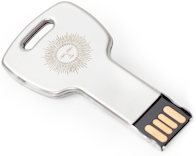
Course Memory Stick
The Course Memory Stick provides a wonderful route for learning. It is divided into 18 chapters that spread across the main course sections. The movies follow the course, so you can watch the relevant movie as you work your way through the material. Herbalist Amaia Dadachanji, author of the Herbal Medicine Foundation Course, shares lectures on the herbal medicine history, principles, medicine making, conditions, case studies and monographs.
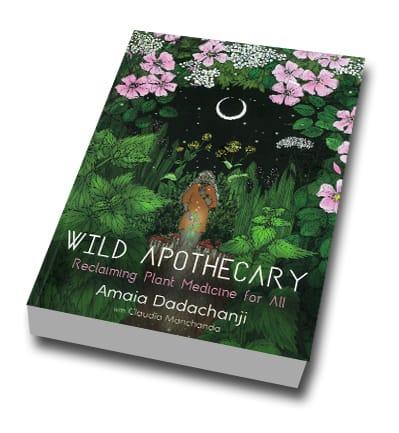
Course book
Amaia Dadachanji, Wild Apothecary
Reclaiming Plant Medicine for All
Wild Apothecary is a beautifully illustrated herbal guide to every stage of life - a practical and creative manual that connects us to the medicinal plants that grow around us and shows us how we might use them to support our health. From babes to elders, and all the life-stages and transitions in between, this is an indispensable handbook designed to celebrate the journey of life and help us overcome some of the challenges we may face along the way. With recipes for simple medicine-making, self-prescribing and foraging advice, Wild Apothecary is a beginner's guide to herbalism.
Tutor marking
The fee for assessment and certification is included in the price of the Herbal Medicine Beginners Course. Successful completion leads to the The School of Health ‘Basic Herbal Medicine’ certificate.
Herbal Medicine products
In creating this course pack we joined forces with three different partner companies: Heath & Heather for the organic herbal teas, Aquasol for the Instant Dandelion Coffee. Both companies share the same wellbeing ethos as The School of Health and all care passionately about holistic health and herbalism.
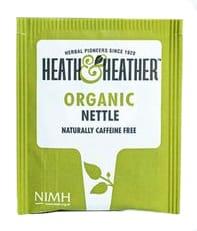
Herbal Tea
The Herbal Medicine Beginners' Course includes a Heath & Heather Nettle tea sachet.
Heath & Heather teas are Organic certified through the Soil Association. This means that they can be trusted, knowing that all organic ingredients have been sourced from certified suppliers. Nettles are a great source of essential minerals like calcium, magnesium, and potassium - plus other nutrients likw vitamins A, B, C, and K, iron, phosphorous, several healthy fatty acids, and amino acids.
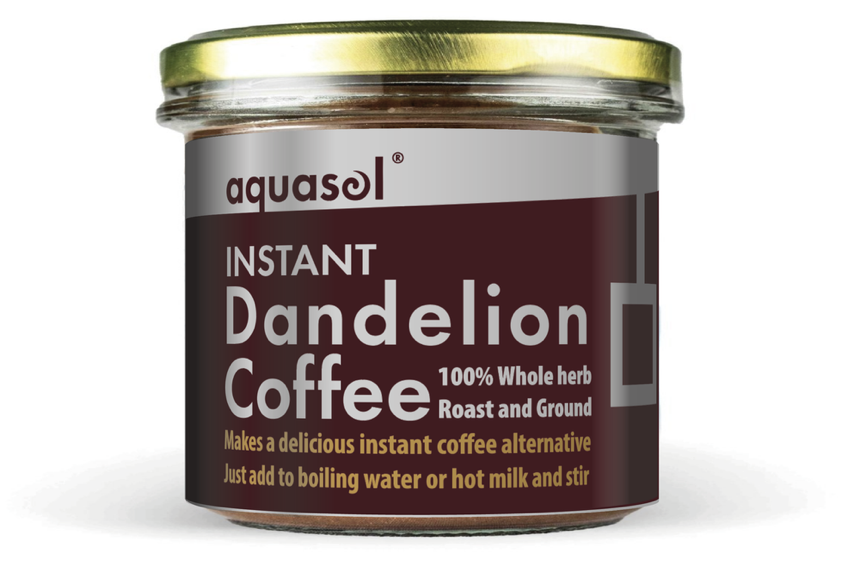
Dandelion Coffee
The Herbal Medicine Beginners' Course includes Aqusol Instant Dandelion Coffee. Aquasol herbal products use the best quality herbs from around the world, fair trading with skilled farmers who maintain the complexity and full integrity of the herb.
The bitter roots of dandelions contain latex, but once roasted sugar like chemicals change to produce a remarkable coffee substitute, the bitter undertones balance with a rich malted flavour, perhaps the best coffee substitute you can get and minus the caffeine which is addictive and destructive to a stressful lifestyle.
Additional Voucher
Great savings! The pack come with a School of Health voucher worth £75.00 for additional courses with The School of Health.
Full course content
Welcome & Guidelines
Part 1: Tending the Land and Self
1.1 The Story of Herbalism
1.2 Tending the Land, Tending the Self
1.3 Wheel of the Year - Connection
1.4 Botany
1.5 Foraging
1.6 Harvesting
1.7 Actions
1.8 Phytochemistry
Part 2: Medicine Making
2.1 The Basics
2.2 Medicine Making
2.3 Herbal First Aid
Part 3: From Babies to Elders
3.1 Babies and Children
3.2 Youth
3.3 Transitions
3.4 Adults
3.5 Elders
Part 4: Case Studies
4.1 Case 1
4.2 Case 2
4.3 Case 3
4.4 Case 4
4.5 Self-Assessment Case
Part 5: Monographs
5.1 Aniseed
5.2 Betony
5.3 Burdock
5.4 Chickweed
5.5 Cleavers
5.6 Cornsilk
5.7 Dandelion
5.8 Fennel
5.9 Feverfew
5.10 Hyssop
5.11 Lemon Balm
5.12 Marigold
5.13 Marshmallow
5.14 Mugwort
5.15 Pine
5.16 Plantain
5.17 Red Clover
5.18 Rosemary
5.19 Self Heal
5.20 Turkey Tail
Self-assessment answers
Assignments